Female pattern Hair-loss

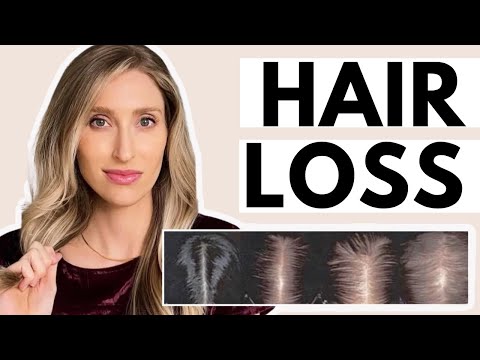
Female pattern hair loss (FPHL) is a common condition affecting women, characterized by gradual thinning of hair on the scalp. Unlike male pattern baldness, which often leads to a receding hairline, FPHL typically results in diffuse thinning, especially around the center part of the scalp.

Causes:

  • Genetics – FPHL has a strong hereditary component and can be inherited from either parent.
  • Hormonal Changes – While androgens (male hormones) play a role in male baldness, their impact on FPHL is less clear. However, estrogen levels may influence hair growth, as FPHL is more common after menopause.
  • Hair Follicle Shrinkage – Over time, affected follicles produce thinner, shorter, and lighter hairs until they stop growing altogether.

Symptoms & Progression:

  • Early Stages – Slight widening of the center hair part.
  • Moderate Thinning – Hair loss spreads on either side of the part line.
  • Advanced Stages – Bald spots may appear toward the front of the hairline.

Treatments

How do treatments for FPHL compare with each other?

Treatments for female pattern hair loss (FPHL) vary in effectiveness, cost, and ease of use. Here’s a comparison of some common options:

1. Minoxidil (Topical Treatment)

  • Effectiveness: Proven to slow hair loss and promote regrowth.
  • Usage: Applied directly to the scalp daily.
  • Pros: Easily accessible, FDA-approved.
  • Cons: Requires consistent use; stopping treatment may reverse gains.

2. Oral Medications (Spironolactone, Finasteride)

  • Effectiveness: Helps block hormones linked to hair loss.
  • Usage: Taken as a daily pill.
  • Pros: Can be effective for hormone-related hair loss.
  • Cons: Requires prescription; potential side effects.

3. Low-Level Laser Therapy (LLLT)

  • Effectiveness: Stimulates hair follicles to encourage growth.
  • Usage: Devices like laser combs or helmets used several times a week.
  • Pros: Non-invasive, can be used at home.
  • Cons: Expensive; results vary.

4. Hair Transplant Surgery

  • Effectiveness: Provides permanent hair restoration.
  • Usage: Surgical procedure to move hair follicles.
  • Pros: Long-lasting results.
  • Cons: High cost; requires recovery time.

5. Supplements & Essential Oils

  • Effectiveness: May support hair health but not a cure.
  • Usage: Taken orally or applied to the scalp.
  • Pros: Natural approach.
  • Cons: Limited scientific backing.

Each treatment has its strengths and limitations, and the best choice depends on individual needs and preferences.

🧑‍🦲 Male Pattern Baldness (MPB)?

Male Pattern Baldness, also known as androgenetic alopecia, is the most common form of hair loss in men.

  • Affects about 50% of men by age 50
  • Can start as early as late teens or early 20s
  • It’s progressive — meaning it worsens over time unless treated

🔬 The Science Behind MPB

🧬 1. Genetics

  • MPB is inherited from either parent (not just your mother’s side)
  • If close male relatives are bald, your risk is higher

🧪 2. Hormones (DHT)

  • Testosterone in your body is converted into DHT (dihydrotestosterone) by an enzyme called 5-alpha reductase
  • DHT binds to receptors in scalp hair follicles, especially at the hairline and crown
  • In genetically sensitive men, DHT:
    • Shrinks the follicles (a process called miniaturization)
    • Shortens the hair growth phase
    • Leads to thinner, shorter hairs, and eventually, no hair at all in affected areas

📉 How MPB Progresses (The Norwood Scale)

The Norwood-Hamilton scale is used to classify stages of MPB:

StageDescription
1No visible hair loss
2Slight recession at the temples
3Deeper temple recession — classic M-shape
4Thinning at the crown, larger frontal baldness
5Frontal and crown hair loss areas enlarge and approach each other
6Bald areas at front and crown join together
7Only a horseshoe-shaped band of hair remains at the sides and back

🧠 Fun fact: The hair at the sides and back of the head is typically DHT-resistant, which is why it remains — and is used in hair transplant surgery.


🩺 Treatment Options for MPB

✅ 1. Medications

  • Finasteride (Propecia): Oral DHT blocker; slows or stops MPB, can regrow hair
  • Minoxidil (Rogaine): Topical solution or foam; stimulates hair follicles
  • Dutasteride is a powerful oral medication increasingly used to treat male pattern hair loss (MPB) — often seen as a stronger alternative to finasteride.
  • These work best when started early and used consistently

✅ 2. Hair Transplant Surgery

  • Permanent solution
  • Moves healthy hair follicles from back of head to bald areas
  • Results are natural when done by skilled surgeons

✅ 3. PRP (Platelet-Rich Plasma) Therapy

  • Blood is drawn and spun to concentrate growth factors
  • Injected into scalp to stimulate follicles
  • Typically used with minoxidil or finasteride

✅ 4. Low-Level Laser Therapy (LLLT)

  • At-home laser caps or combs
  • Stimulate blood flow and follicle metabolism
  • Safe and pain-free; results vary

🧴 Supportive Treatments

  • DHT-blocking shampoos (e.g., saw palmetto, ketoconazole)
  • Biotin, vitamin D, zinc, iron — help if you’re deficient
  • Microneedling (using a derma roller) — increases absorption of topical treatments and boosts blood flow

🔁 Can MPB Be Reversed?

  • If you catch it early (Stages 1–3), you may regrow some hair
  • If hair follicles are fully miniaturized and dead (Stages 6–7), only a hair transplant can restore coverage
  • Maintenance is key — stopping treatment usually leads to hair loss resuming

💡 Summary

AspectDetails
CauseGenetics + DHT
ProgressionFollows Norwood pattern
Treatable?Yes, especially if caught early
Reversible?Partially — depends on the stage
Permanent solutionHair transplant
Most effective comboFinasteride + Minoxidil + supportive care

Welcome to WordPress. This is your first post. Edit or delete it, then start writing!